Underground Utility Detection Experts
What Is Underground Utility Detection?
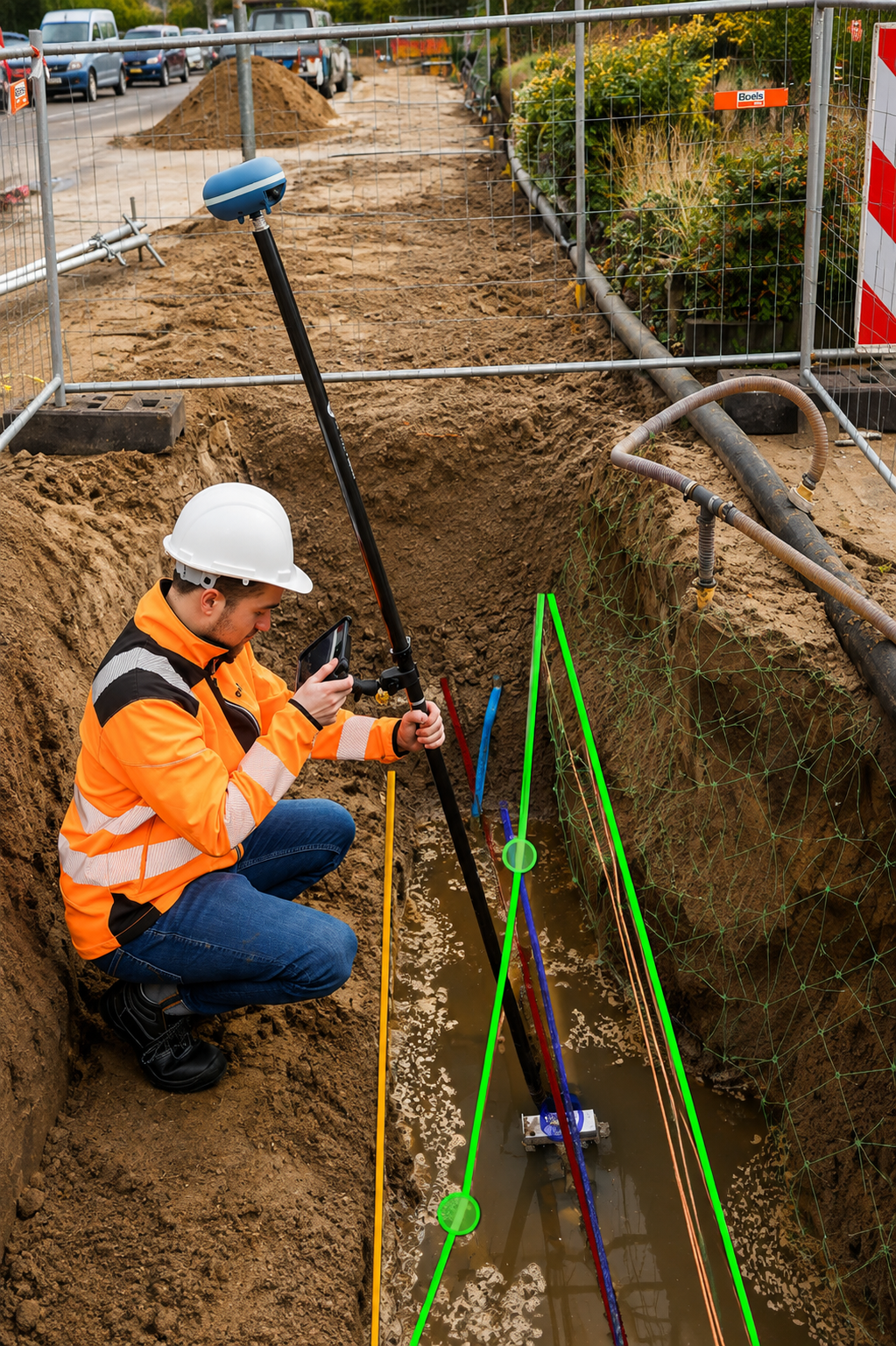
Underground utility detection is the process of identifying and locating buried infrastructure before excavation, drilling, trenching, construction, or other ground-disturbing work begins. It helps determine where utilities may be positioned beneath soil, pavement, concrete, or landscaped areas so project teams can plan work more safely.
Professional underground utility detection services can help locate electrical lines, water pipes, sewer lines, communication cables, gas lines, conduits, irrigation systems, and other buried utilities. Depending on site conditions, technicians may use technologies such as electromagnetic locating equipment and Ground Penetrating Radar.
Accurate utility detection provides contractors, engineers, property owners, and facility managers with useful subsurface information before work starts. This can reduce uncertainty, improve excavation planning, help avoid accidental utility strikes, and support more efficient construction and maintenance projects.
When Is Underground Utility Detection Necessary?
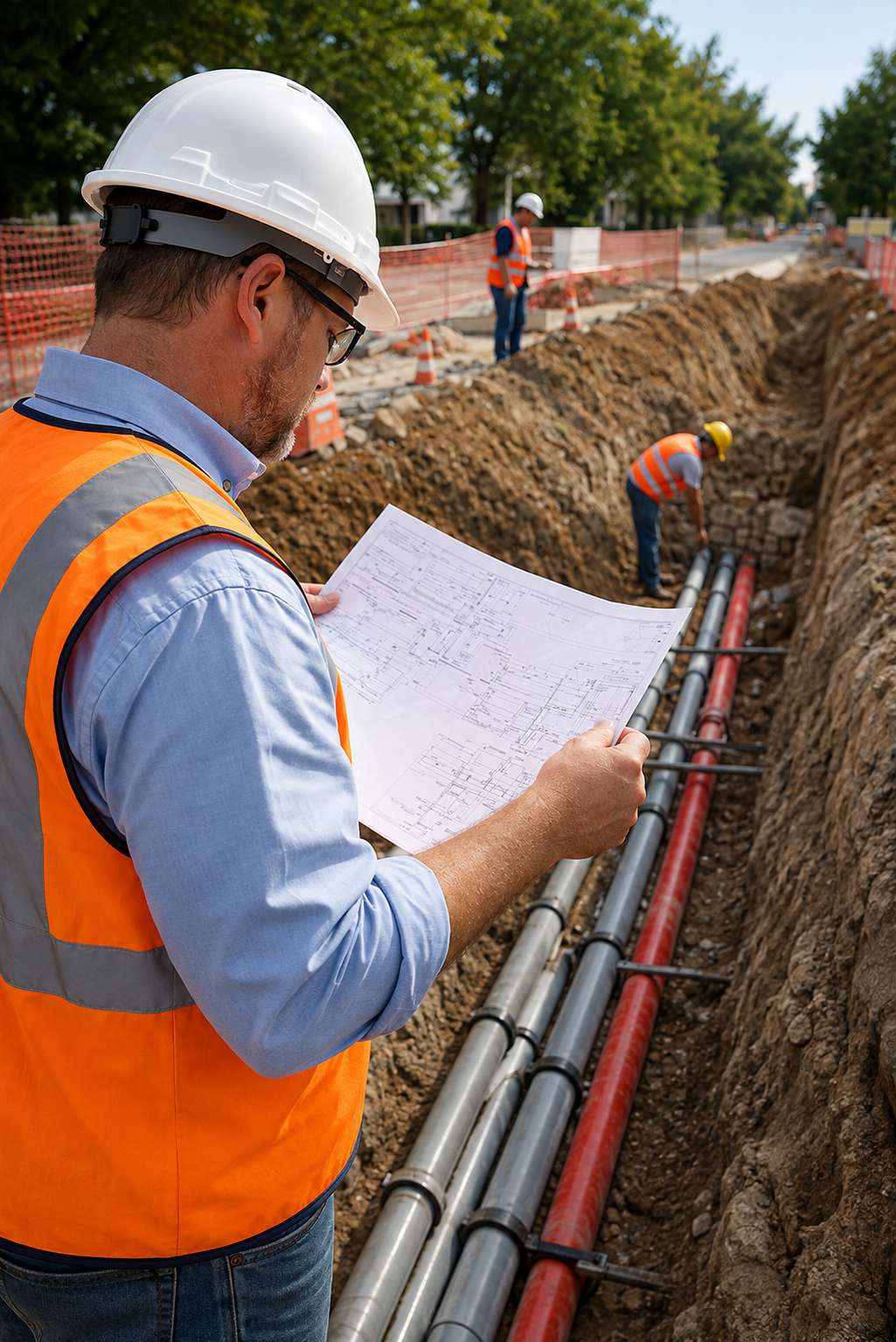
Underground utility detection is necessary before digging, excavation, trenching, grading, drilling, landscaping, fence installation, utility installation, or site development. It is especially important when buried infrastructure is not clearly documented or when project teams need additional information about what may be beneath the work area.
This service is commonly used for residential, commercial, industrial, municipal, and construction projects. It can also be valuable during renovations, infrastructure upgrades, utility repairs, property improvements, and new developments where existing underground systems could interfere with planned work.
Using professional underground utility locating and detection before construction begins can help reduce the risk of damage, service interruptions, costly repairs, schedule delays, and safety concerns. Better knowledge of underground conditions allows crews to plan excavation routes and work zones with greater confidence.
What Is Required For Underground Utility Detection?
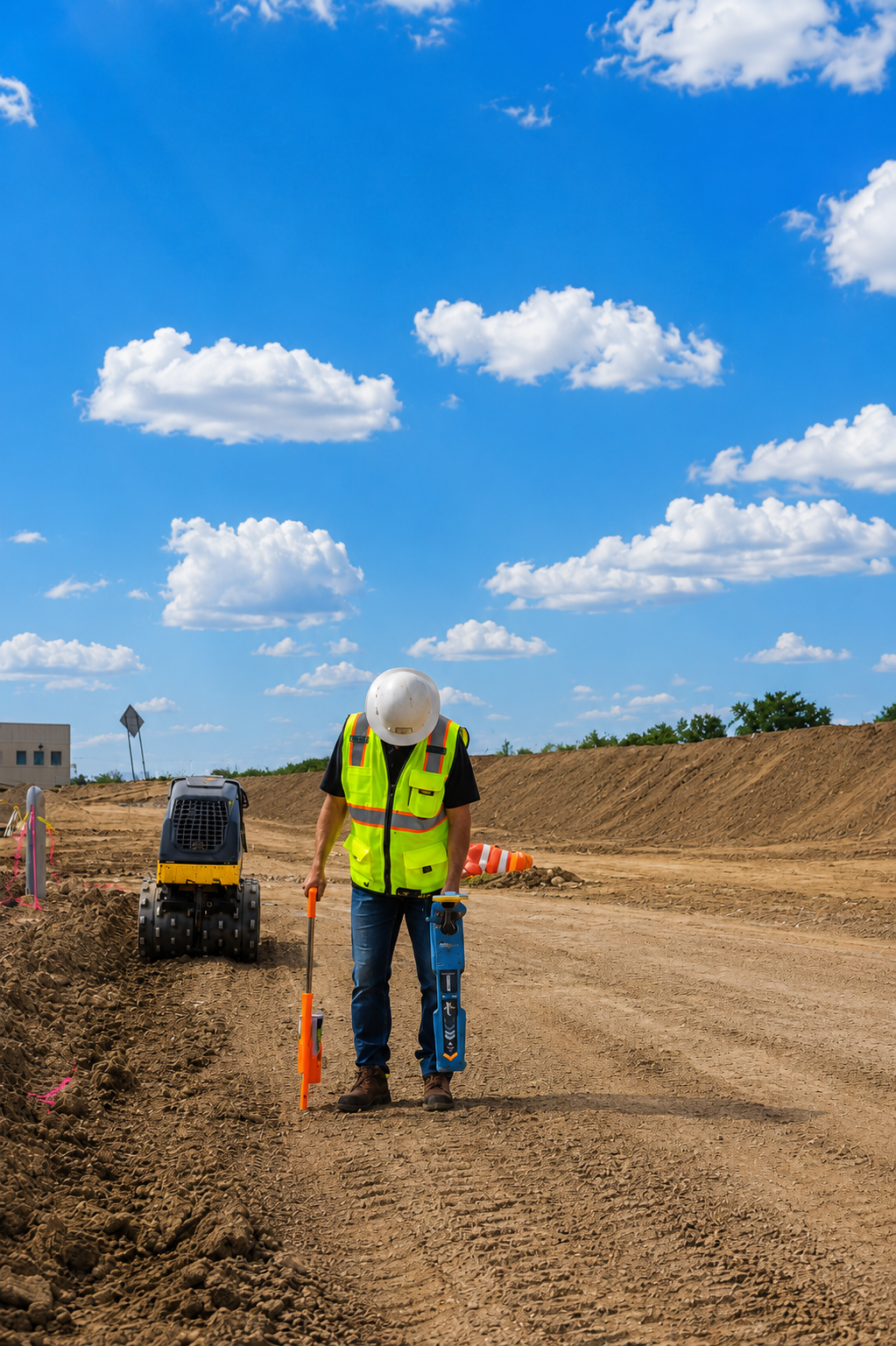
Effective underground utility detection requires appropriate locating equipment, access to the project site, and as much existing utility information as possible. Technicians may use electromagnetic locators, signal transmitters, Ground Penetrating Radar (GPR), utility tracing equipment, and visual site inspection depending on the type of utility and site conditions.
Available site plans, utility drawings, meters, valves, access points, cleanouts, electrical panels, and other visible infrastructure can help guide the locating process. Reviewing this information allows technicians to identify likely utility paths and determine which detection methods may be most suitable for the project.
Once utilities are detected, their approximate locations may be marked with paint, flags, stakes, or other surface indicators and documented when required. Professional underground utility detection services combine specialized technology, field experience, site information, and careful interpretation to provide useful guidance for excavation, construction, and maintenance work.
Our Reviews
What Our Customers Have to Say About Us!
Very professional and easy to work with. The team located our underground utilities quickly and clearly marked everything before excavation. The process was smooth and saved us a lot of time.

We needed GPR and concrete scanning before starting a renovation project. They were thorough, arrived on time, and explained the findings clearly. Great service from start to finish.
Excellent utility locating and mapping service. The crew was knowledgeable, efficient, and provided accurate information for our project. I would definitely recommend them for future work.
The Process
3 Step Process For Your Underground Utility Detection Needs

Contact Us
Start by completing the 'Get a Free Quote' form on our website to share your Underground Utility Detection needs with us.

Schedule Your Estimate
Next, we'll arrange a property visit at a time that works for you to provide an in-person estimate for your Underground Utility Detection needs.

Get The Job Done
After you approve our estimate, we'll schedule a date to complete the job. Our team will work hard to exceed your expectations!
Request A Free Underground Utility Detection Quote
BUSINESS
SERVICES
SERVICE AREAS
OPERATING HOURS
Sun: Closed
Mon: 7:00am - 7:00pm
Tue: 7:00am - 7:00pm
Wed: 7:00am - 7:00pm
Thu: 7:00am - 7:00pm
Fri: 7:00am - 7:00pm
Sat: 7:00am - 7:00pm